No Details Were Found for the Bole Id Entered Please Try Again
How difficult could writing an effective error message exist? There are a surprising number of ways this outwardly uncomplicated chore can go wrong. Bad error letters are such a common trouble in the user experience (UX) customs that they've become a cultural meme. Know Your Meme even has a page dedicated to collecting lousy fault letters and memes making fun of those messages.
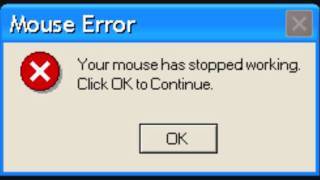
Information technology would exist great if errors never occurred, but the world doesn't piece of work that mode – and neither, no matter how good, does your digital application. Errors may upshot from the user, your system or even incompatible states, similar trying to brand a phone call while in plane manner. Errors tin can be as uncomplicated as a typo and every bit prevalent as a broken link.
Just as errors occur, yous need to offer solutions. Hence, mistake messages. These messages are vital, and hopefully, you're reading this article because you're aware of the bear on they take on your users.
Errors are frustrating to users. Your potential customer expects ane outcome and, instead, gets a different outcome that interrupts their workflow. At this moment, they accept to determine whether it'southward worth it to proceed interacting with your website – and even if it is, they may not be able to effigy out how to move frontward.
This is your take chances to minimize frustration and provide a helpful message that promotes task completion. Writing error messages that solve problems instead of turning users away is another instance of how expert UX increases conversions.
Error letters shouldn't be barriers; they should empower, reassure and guide your users towards success.
And so, here are 15 tips on writing and designing good error messages that practise just that.
ane. Exist Informative
When writing an error message, there are 2 components you take to include:
- What happened
- How to gear up information technology
Claiming that there has been an error or error without explaining how to resolve it leaves the user without direction. An example would be telling a user, "Couldn't rename file," without telling them what to do next.
Telling the user what to do without explaining why there was an fault might leave them confused most what they're even fixing. In the scenario to a higher place, this might wait like saying, "Please try another name," without any caption. Now they don't know what was incorrect with the name they chose and might even retry it.
A skillful error message would read, "There'south already a file with that proper noun. Please try another proper noun." Now they know what to practice and how to go about it.
Before y'all can write an informative fault bulletin, you need to understand the situation yourself. Offset by asking yourself what has gone wrong, how it'south gone wrong, whether it'south a user or arrangement error and how to fix it.
Some errors the operating arrangement may control, so information technology's also worth request if it's something yous tin can change.
two. Always Provide a Solution
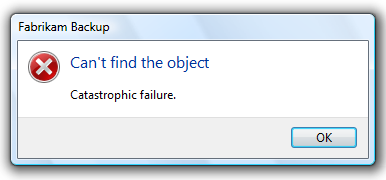
This tip branches off the start but is as well important not to mention. You must always provide a solution to the mistake at hand. Otherwise, the user's frustration will grow equally they either waste their time trying to discover the answer on their own or give up.
Imagine a scenario where a user enters an invalid symbol in their username while trying to create an business relationship. Instead of reminding them of the symbols they tin use or sharing that it'south an issue with the username, your message reads, "You can't create an business relationship." What are they supposed to practise with that only leave?
When providing solutions, information technology is possible for there to exist more than than one option. For example, a 404 error may exist from a typo, moved content or deleted content. A useful 404 error page may encourage users to check their link spelling or accept an alternative route to find the content they are looking for.
three. Speak the Same Linguistic communication
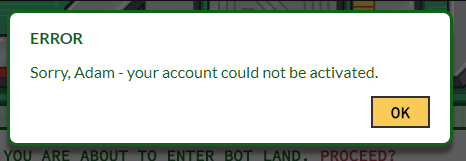
As with all UX writing or copywriting, you lot want to speak the same language every bit your audience. This means removing jargon or technical terms. You lot can be explicit almost the error and what to practice, but users tin't follow your directions if they can't sympathize them.
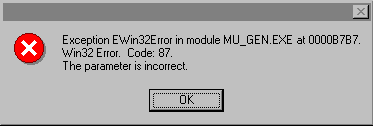
A mutual issue among error letters is the use of mistake codes that users don't have a background in.
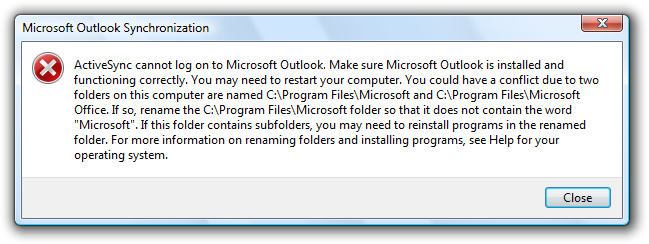
Hemingway It (AKA Be Concise)
No one wants to read an essay for most things – let alone to ready an mistake. It's a known fact that people skim where they can. Your users desire to get to the point, and your mistake bulletin copy should help.
Writing shorter mistake messages volition also increase your users' understanding. A study past the American Press Found shows that readers sympathise 100% of a message with eight words but only xc% of a message with fourteen words. Worse notwithstanding, at 43 words, comprehension drops to a mere x%.
When y'all do cut words, make certain that you even so get the point across. Remove everything the user doesn't need to know, simply keep necessary information. The goal is to exist precise and concise.
v. Let Them Choose the Level of Disclosure
On the topic of existence concise and speaking your users' linguistic communication, it's truthful that about won't understand the technical information behind a organization mistake. Regardless, information technology's nice to give the users who might notice this information beneficial the opportunity to access it. You can do this with progressive disclosure techniques.
Progressive disclosure is when you add a "evidence more" or "learn more" link or drib-downward option that reveals more data. This allows users interested in the details to view them without overwhelming those who aren't interested.
6. Take the Blame (Or Don't Assign It)
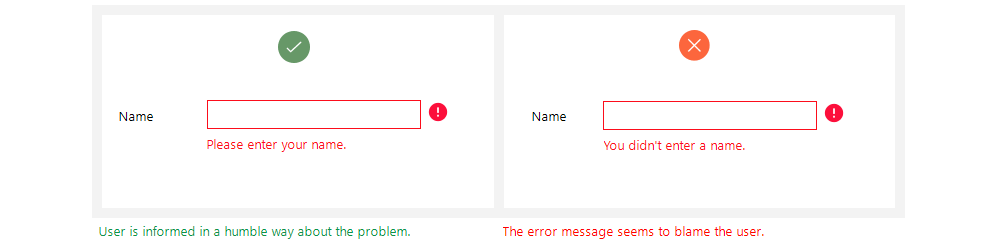
Information technology's human being nature to defend oneself, so information technology's best not to offend users from the become-go. We're talking about accusing users of causing the error at hand. Even if the user causes the fault, y'all'll provide a better user experience by not pointing fingers. This means taking the blame or not assigning information technology at all.
You can prevent accusatory language by focusing on the solution instead of the user action that caused the fault. For example, your login error message can say, "That password doesn't friction match. Delight try again," instead of, "The password yous entered is incorrect."
7. Be Gentle
Alarm: NO ONE LIKES BEING YELLED AT!
And yet, people frequently apply all majuscule letters or exclamation points to convey importance. Instead, information technology tin come beyond every bit ambitious or heighten the user's stress almost the fault. When dealing with what may already be a frustrating situation for your user, be more gentle.
8. Employ Positive Language
Using positive linguistic communication when conveying errors can assist soothe and guide your users, whereas negative language makes the scenario feel uncomfortable. Notice how "employ positive linguistic communication" sounds nicer than "avert negative language" or how "be gentle" is more pleasant than "don't be aggressive."
Prioritizing the solution over the problem can help. For example, a form with an invalid zip code can say:
- The form has errors: You entered an wrong nix code.
Or
- Please enter a valid zero code for your state.
Which would y'all prefer? We're guessing the latter.
Every bit long as yous remain clear, giving your linguistic communication a positive makeover can make errors less upsetting.
9. Use Your Brand Vox
Your brand is the core of your company, and it's intended to prevail in all areas. Write error messages in your brand vox to aid contribute to a seamless experience that makes the error feel like less of an interruption.
Of course, you want to proceed the tone consequent with the user'southward emotional feel. A fun brand can create a more playful fault bulletin so long equally it remains helpful and doesn't make the user experience like you lot're non taking the problem seriously. Humorous error messages can relieve tension or frustrate the user more than. Information technology all depends on context.
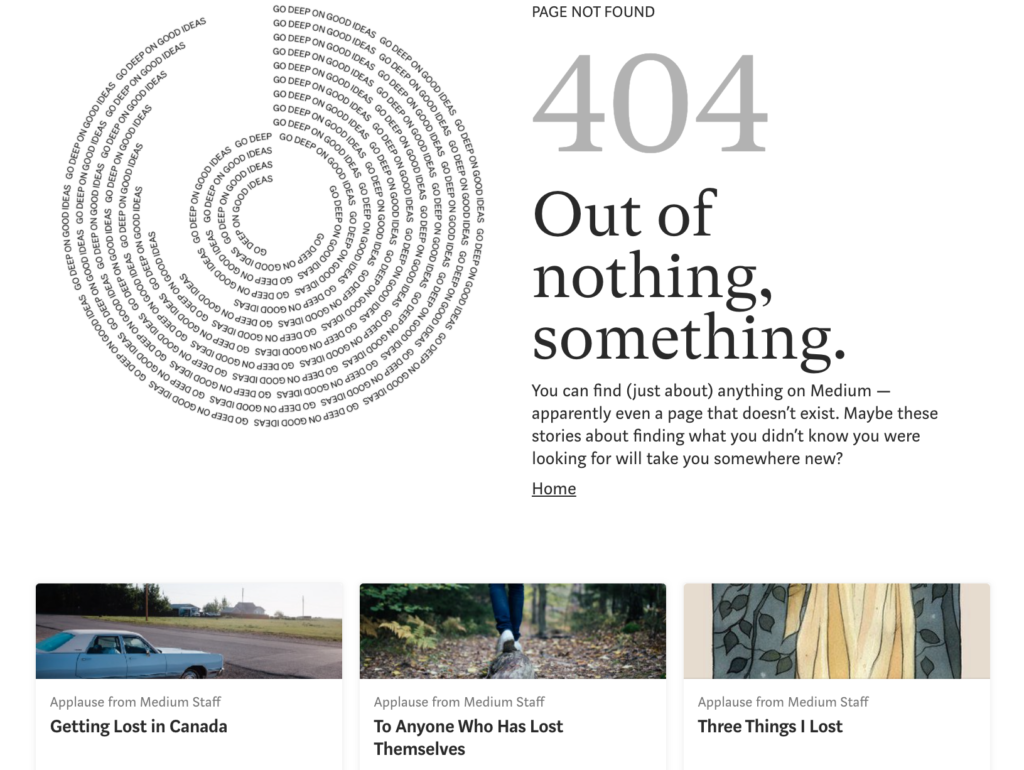
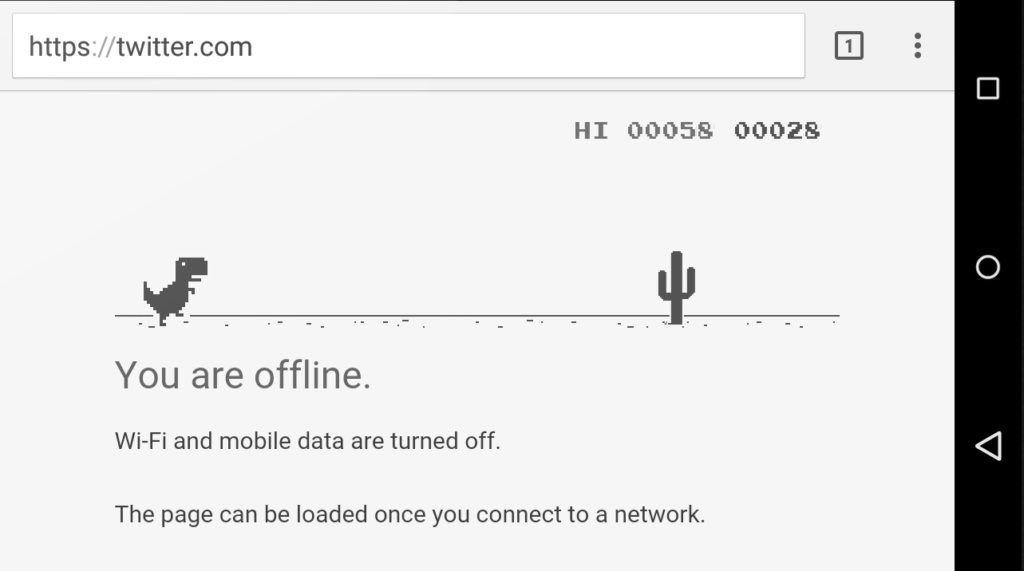
Some businesses replace generic error messages with creative alternatives. Google provides an offline game that users tin can play when disconnected from the cyberspace. Medium, a publishing platform, uses its 404 Page Not Found error to say, "You can discover (just near) anything on Medium – patently even a page that doesn't exist," and links to intriguing manufactures about being lost.
x. Be a Friend, Not a Robot
It's easy when conveying organization errors to turn into a robot, just the best matter you tin do is fight for your humanity. Making your error letters human and friendly humanizes the brand and makes it feel more like you intendance. Users prefer getting help from a person, and being friendly can remove frustration and generate agreement.
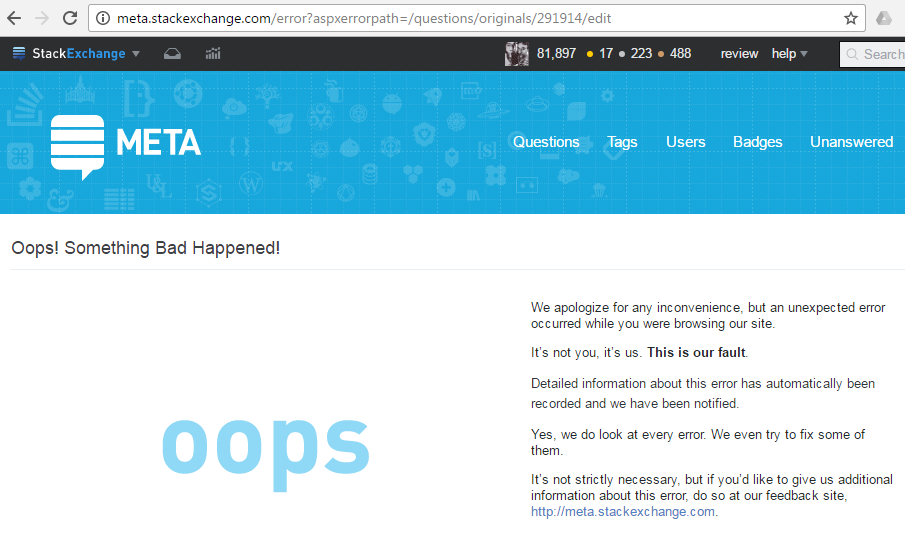
11. Make CTAs Clear
Depending on the content of your fault message, yous may need a phone call to action button (CTA) that guides the user, ane that dismisses the message or none at all.
If yous do use a CTA button, make it clear what the button does. Buttons like "yes," "no" or "okay" might be as well vague if not set up upwards by the descriptive text. Y'all may also take more than 1 CTA, at which point you'll want to ensure that the user can distinguish between the results of each.
When writing an mistake message CTA, a good rule of pollex is to use the same text on the button that you do in the clarification. For instance, don't say "erase" in the clarification and so write "delete" on the corresponding activeness push.
12. Account for Timing
Timing is some other of import element of how to make an error message. Will it be immediate? In post? The timing of an error bulletin tin be the difference between a helpful hint and an irritating occurrence.
Generally, real-time alerts are more helpful. Movie filling out a form. Y'all make a spelling mistake, and immediately after, reddish text appears adjacent to the box asking you to include the missing chemical element. Or, y'all fill out the form, hit submit and go a list of red errors to correct. Mostly, users adopt the former.
13. Exist Smart About Colors
Colour is also a design chemical element, but if you're writing for UX, you lot should work with the UX designer to ensure proper representation of fault messages.
Color is important to friendly error message blueprint as information technology plays a large role in cartoon attending to the message. But using attending-grabbing colors isn't the but thing to consider. Y'all also want to ensure that your message will exist visible to people who are color bullheaded. This includes using appropriate colour combinations and icons to assist signal errors.
Refer to our guide on UI design for color blind users to brand your error messages, and the balance of your platform, attainable.
fourteen. Consider Format and Location
When designing mistake messages, yous'll also determine on the format of the message and where information technology will display on the screen. Is your message and so urgent that information technology should take upwardly the entire screen and prevent all other action and so that users accept to see it? If it'due south more of a minor notification, interrupting users to such a large degree may be abrasive. A newer, less disruptive practice with forms is to take away the option to hitting submit until users right all errors.
Y'all can display fault messages every bit full-page pop-ups, banners or inline errors. The type you lot choose will depend on the context and severity of the error. For example, inline letters are ideal for forms as they notify the user of the mistake correct adjacent to the error itself, making it piece of cake to spot and correct.
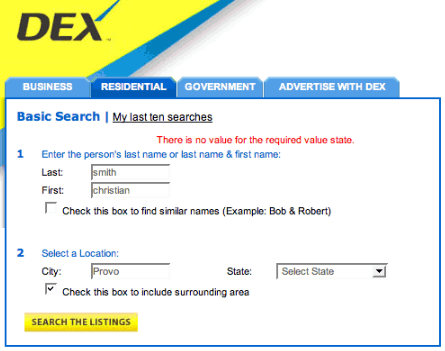
15. Foreclose Fault From the Starting time
Some error is inevitable, just you should foreclose it where you can. With empathetic blueprint, you lot can reduce the number of error occurrences to create a more seamless experience.
You can start past creating a customer journey map that reveals where errors are often made. Then, run across if it's possible to make design edits that prevent those errors. Here are some design elements that reduce error:
- Crossing out booking dates that aren't bachelor so users can't select them
- Autocorrecting typos (careful with this 1)
- Using white infinite to prevent misclicks or mistaps
- Clearly labeling forms
You can too reduce repeat errors by providing better direction. For example, many users take multiple usernames and passwords. "That username doesn't exist," provides ameliorate direction for what to try next than saying, "Your login information is incorrect."
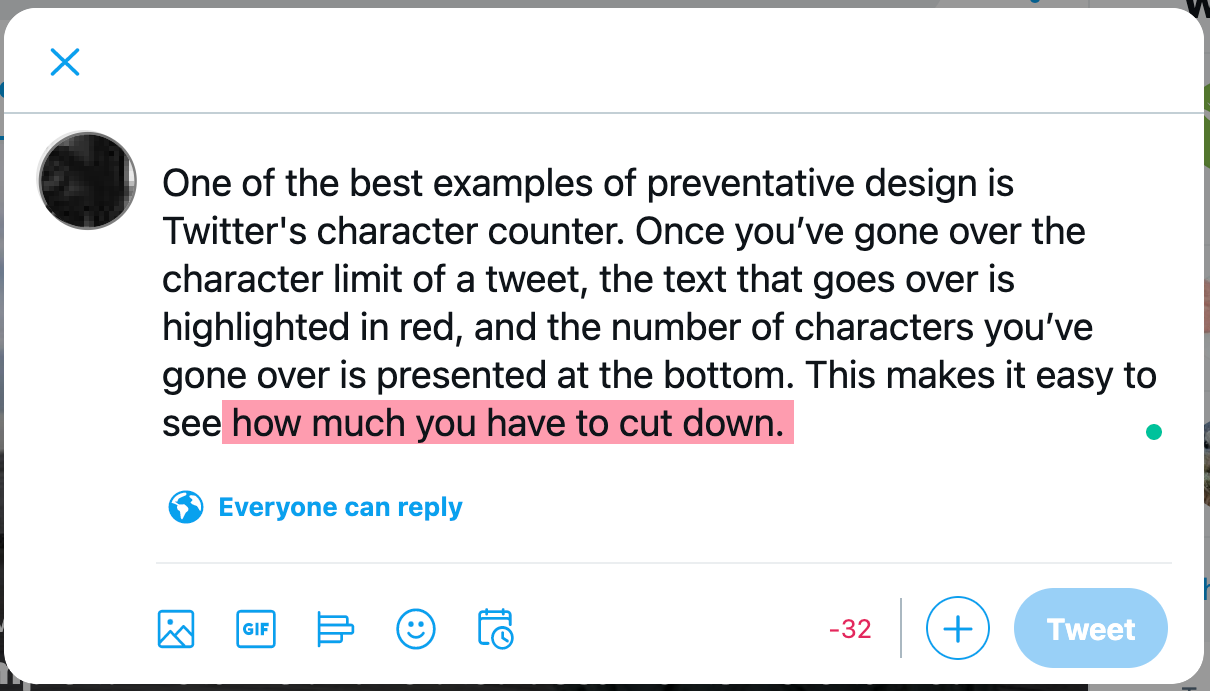
One of the best examples of preventative design is Twitter's character counter. In one case yous've gone over the character limit of a tweet, the characters that get over are highlighted in red, and the number of characters you lot've gone over is presented at the bottom. This makes it like shooting fish in a barrel to run into how much y'all accept to cut downwards.
Go Forth and Conquer All Error
If you're ready to outset creating constructive mistake letters that empower your users instead of irritating them, start by knowing what errors you're helping with. You may be starting from scratch, have error messages to rewrite or but making sure that you lot take all bases covered.
Sometimes the best fault messages aren't necessary but are worth investing in to help the user experience. Some email platforms notify you that your email doesn't take a file fastened when you lot mentioned attaching one in the email. They aren't obligated to catch this forgetful moment, just it sure helps when they do.
Evaluate all elements of your software or website, and brand a list of all the places something can go wrong or users can mess up. In one case yous've done that, apply these 15 tips to write convenient messages. And if you lot need some help, reach out.
robertsonsligized.blogspot.com
Source: https://boldist.co/usability/user-friendly-error-messages/
0 Response to "No Details Were Found for the Bole Id Entered Please Try Again"
Post a Comment